The kid and I recently finished reading The Voyage of the Dawn Treader a tale of sea adventures that lead to the very end of the world. It's a surprising tale of courage, especially surprising when the most courageous of all is a tenacious and volatile mouse who will do whatever necessary to uphold his vows of honor.
In this song, Kristian Matsson of The Tallest Man on Earth walks to the end of the world in Sagres, looks across the ocean, and upon hearing harrowing tales, decides to walk away from the beckoning adventure. Reepicheep would be disappointed. But then again, so is Matsson.
The first time I heard it, I labeled the song as bland and uninspired, but it has only continued to grow on me since then. In a progression of just six chords Matsson sets up a profound wistfulness and restlessness, a tension that seems to be lurking under the surface in many of us. It's not that it's uninspired, but rather that the songs evenness serves to communicate a persistent malaise, a pervading numbness. What is left of us? he asks. The song doesn't exactly build, but it does lead to a definitive climax where the music stops and he mutters the tired answer into the microphone: it's just all this doubt.
In Dawn Treader Aslan reminds Lucy of a lesson she's already been taught: nobody is ever told what would have happened. But, he reassures her, anyone can find out what will happen.
This is a song for those who lament not knowing what would have happened, those who regret knowing what could have happened, and those reluctant to find out what will happen.
And the unknowns of the ocean just keep calling us all the same: there's only one thing left to do.
What's brilliantly paradoxical about the progression is that it could also just as easily serve as a soundtrack for sailing across the open waters, holding out a hope of freedom for those still stuck wrestling with doubt.
"Your way was through the sea." Psalm 77:19
Showing posts with label literature. Show all posts
Showing posts with label literature. Show all posts
Tuesday, October 13, 2015
Wednesday, May 20, 2015
Praying with Flannery
I dove into Flannery O'Connor's prayer journal last night. It's a plain, intimate and fascinating affair, even if it feels at times intrusive to read. I don't anticipate it being a source of model theology, yet it is certainly a worthy model of frank and vulnerable praying. For me there is added interest as it was written just a few years before being diagnosed with Lupus. A distant and sterile introduction by a scholar and friend does not ascribe much to the reality of the recipient of her prayers, yet he tends to affirm that prayer does in fact change things, that many of her prayers were, in one way or another, and even with a bit of irony, answered. I could quickly turn this blog into a record of appreciated quotes, lines I might be led to pray with her, and in that way the book is therapeutic, cathartic, perhaps not unlike some of David's intensely personal prayers becoming the corporate songbook of the church.
So, this was last night's...
All boils down to grace, I suppose. I am afraid of pain and I suppose that is what we have to have to get grace. Give me the courage to stand the pain to get the grace, Oh Lord. Help me with this life that seems so treacherous, so disappointing.
So, this was last night's...
All boils down to grace, I suppose. I am afraid of pain and I suppose that is what we have to have to get grace. Give me the courage to stand the pain to get the grace, Oh Lord. Help me with this life that seems so treacherous, so disappointing.
Wednesday, December 11, 2013
Advent 27: The Whole Universe Waiting, Expecting, Rejoicing
"Mary sees clearly a most remarkable thing about God: He is about to change the course of all human history. The most important three decades in all of time are about to begin." -John Piper, December 2
"God is guiding foreigners to Christ to worship him, and he is doing it by exerting global--probably even universal--influence and power to get it done." -John Piper, December 8
It's this idea that the very universe, the cosmos, in all of its immensity, from the tiniest ant to the most distant galaxy, they all knew about this baby. While his own people did not receive him, his birth going unnoticed like just any other, every other member of the universe was waiting, expecting, and rejoicing.
The world was about the change forever. And it almost went by unnoticed...but the leaves, that night, rustled with a rumor. News rang out across the open fields. A song drifted over the hills. The wind whispered it softly in the sycamore trees, that waved their moonlit branches to the sky...The skies shouted it to the seas that thundered it to the waves that roared it to the great white whales that sang it to the starfish in the deep. And tiny sandpipers danced it on shining sands..."It's time, it's time!" The running rivers bounded over boulders and the otters clapped and played and sang to the ducklings that splashed and quacked to the salmon that leaped and leaped. And tiny field mice and insects and little creeping things and sparrows and robins and every single blade of grass squeaked and hummed and chirped and sang..."It's time, it's time!"
-Sally Lloyd-Jones, Song of the Stars
Car l’univers, oui l’univers cherchait l’enfant
Sans le savoir !
Les sangliers dans les fourrés suivaient leurs traces,
Les lièvres et les renards humaient leur piste,
Ils ont levé un épervier à tire d’aile
Et les fourmis se réveillaient d’un long sommeil.
Toutes les bêtes endormies sentaient l’approche
De ce qui s’en venait lentement en ce monde,
De ce juste avec un visage rajeuni
–car il était le père du premier Noël–
De cette femme frêle aux yeux cernés d’espoir,
Portant le sacrement des hommes sous sa robe
Conduisant doucement, tendrement, humblement
Son enfant vers son terme.
-Jean-Luc Gadreau, Noël aux Goélands
Excerpts from Psalm 104:
He set the earth on its foundations,
"God is guiding foreigners to Christ to worship him, and he is doing it by exerting global--probably even universal--influence and power to get it done." -John Piper, December 8
It's this idea that the very universe, the cosmos, in all of its immensity, from the tiniest ant to the most distant galaxy, they all knew about this baby. While his own people did not receive him, his birth going unnoticed like just any other, every other member of the universe was waiting, expecting, and rejoicing.
The world was about the change forever. And it almost went by unnoticed...but the leaves, that night, rustled with a rumor. News rang out across the open fields. A song drifted over the hills. The wind whispered it softly in the sycamore trees, that waved their moonlit branches to the sky...The skies shouted it to the seas that thundered it to the waves that roared it to the great white whales that sang it to the starfish in the deep. And tiny sandpipers danced it on shining sands..."It's time, it's time!" The running rivers bounded over boulders and the otters clapped and played and sang to the ducklings that splashed and quacked to the salmon that leaped and leaped. And tiny field mice and insects and little creeping things and sparrows and robins and every single blade of grass squeaked and hummed and chirped and sang..."It's time, it's time!"
-Sally Lloyd-Jones, Song of the Stars
Car l’univers, oui l’univers cherchait l’enfant
Sans le savoir !
Les sangliers dans les fourrés suivaient leurs traces,
Les lièvres et les renards humaient leur piste,
Ils ont levé un épervier à tire d’aile
Et les fourmis se réveillaient d’un long sommeil.
Toutes les bêtes endormies sentaient l’approche
De ce qui s’en venait lentement en ce monde,
De ce juste avec un visage rajeuni
–car il était le père du premier Noël–
De cette femme frêle aux yeux cernés d’espoir,
Portant le sacrement des hommes sous sa robe
Conduisant doucement, tendrement, humblement
Son enfant vers son terme.
-Jean-Luc Gadreau, Noël aux Goélands
Excerpts from Psalm 104:
He set the earth on its foundations,
so that it should never be moved.
The mountains rose, the valleys sank down
to the place that you appointed for them.
to the place that you appointed for them.
You make springs gush forth in the valleys;
they flow between the hills;
they flow between the hills;
they give drink to every beast of the field;
the wild donkeys quench their thirst.
the wild donkeys quench their thirst.
Beside them the birds of the heavens dwell;
they sing among the branches.
they sing among the branches.
From your lofty abode you water the mountains;
the earth is satisfied with the fruit of your work.
the earth is satisfied with the fruit of your work.
He made the moon to mark the seasons;
the sun knows its time for setting.
You make darkness, and it is night,
when all the beasts of the forest creep about.
when all the beasts of the forest creep about.
O Lord, how manifold are your works!
In wisdom have you made them all;
the earth is full of your creatures.
In wisdom have you made them all;
the earth is full of your creatures.
Here is the sea, great and wide,
which teems with creatures innumerable,
living things both small and great.
which teems with creatures innumerable,
living things both small and great.
These all look to you,
to give them their food in due season.
to give them their food in due season.
When you give it to them, they gather it up;
when you open your hand, they are filled with good things.
when you open your hand, they are filled with good things.
When you hide your face, they are dismayed;
when you take away their breath, they die
and return to their dust.
when you take away their breath, they die
and return to their dust.
When you send forth your Spirit, they are created,
and you renew the face of the ground.
and you renew the face of the ground.
May the glory of the Lord endure forever;
may the Lord rejoice in his works.
may the Lord rejoice in his works.
The ox knows its owner,
and the donkey its master's crib,
but Israel does not know,
my people do not understand.
and the donkey its master's crib,
but Israel does not know,
my people do not understand.
And the light shone in darkness and
Against the Word the unstilled world still whirled
About the centre of the silent Word.
-TS Eliot
Against the Word the unstilled world still whirled
About the centre of the silent Word.
-TS Eliot
For you shall go out in joy
and be led forth in peace;
the mountains and the hills before you
shall break forth into singing,
and all the trees of the field shall clap their hands.
and be led forth in peace;
the mountains and the hills before you
shall break forth into singing,
and all the trees of the field shall clap their hands.
All these stories and songs and legends and folklores surrounding the animals at Jesus' birth, these aren't just cute and quaint and nostalgic tales for kids that sell well, they just very well might be the truth of the cosmos.
Wednesday, October 02, 2013
reflections on eternity
"If you are really a product of a materialistic universe, how is it you don't feel at home there? Do fish complain of the sea for being wet? Or if they did, would that fact itself not strongly suggest that they had not always been, or would not always be, purely aquatic creatures? Notice how we are perpetually surprised at Time. ('How time flies! Fancy John being grown-up & married! I can hardly believe it!') In heaven's name, why? Unless, indeed, there is something in us which is not temporal."
-CS Lewis
"In a golden summer when our love was young Davy and I had sat on a stone wall near Glenmerle and talked about unpressured time--time to sit on stone walls, time to see beauty, time to stare as long as sheep and cows. At my father's club, sitting before the fire, we had spoken of 'moments made eternity', meaning what are called timeless moments, moments precisely without the pressure of time--moments that might be called, indeed, timeful moments. Or time-free moments. And we had clearly understood that the pressure of time was our nearly inescapable awareness of an approaching terminus--the bell about to ring, the holidy about to end, the going down from Oxford forseen. We had dreamed of Grey Goose as a way to escape the pressure of time, though no one escapes entirely. Life itself is pressured by death, the final terminus. Socrates refused to delay his own death for a few more hours: perhaps he knew that those few hours under the pressure of time would be worth little...
...I saw with immense clarity that we had always been harried by time. All our dreams had come true: the schooner Grey Goose under the wind, the far islands of Hawaii in the dark-blue rolling Pacific, the spires of Oxford. But all the fulfillments were somehow, it seemed to me, incomplete, temporary, hurried. We wished to know, to savour, to sink in--into the heart of the experience--to possess it wholly. But there was never enough time; something still eluded us....We shall come back, we said, and find it. But there wasn't time enough to go back, way leading on to way. And if we had gone back, there wouldn't have been time enough then, either, for ahead there would be a terminus. Always...
...If, indeed, we all have a kind of appetite for eternity, we have allowed ourselves to be caught up in a society that frustrates our longing at every turn. Half our inventions are advertised to save time--the washing machine, the fast car, the jet flight--but for what? Never were people more harried by time: by watches, by buzzers, by time clocks, by precise schedules, by the beginning of the programme...
...And yet, time is our natural environment. We live in time as we live in the air we breathe. And we love the air--who has not taken deep breaths of pure, fresh country air, just for the pleasure of it? How strange that we cannot love time. It spoils our loveliest moments. Nothing quite comes up to expectations because of it. We alone: animals, so far as we can see, are unaware of time, untroubled. Time is their natural environment. Why do we sense that it is not ours?...
...It suggests that we have not always been or will not always be purely temporal creatures. It suggests that we were created for eternity. Not only are we harried by time, we seem unable, despite a thousand generations, even to get used to it. We are always amazed by it--how fast it goes, how slowly it goes, how much of it is gone. Where, we cry, has the time gone? We aren't adapted to it, not at home in it. If that is so, it may appear as proof, or at least a powerful suggestion, that eternity exists and is our home...
...It appeared to me that I had longed for timelessness--eternity--all my days. Golden streets and compulsory harp lessons may lack appeal--but timelessness? And total persons? Heaven is, indeed, home."
-Sheldon Vanauken, excerpts from A Severe Mercy
-----
my teammate and i pretended like we knew what we were doing today and went to visit a locale with the owner of the rental agency and the owner of the property. there was a long string of good-natured and funny jokes at the expense of the two stupid young christians trying to start a church with said property. for example, it was suggested we sign a lease for the duration of eternity. frankly, the idea tempted me.
-----
when all we ever hear are the tired refrains of never having enough time, it's stunning, curious, and strangely refreshing to hear someone sing the simple words: "we have time."
and who better to deliver the words than the duo who's driving goal has often been to play their music as slowly as possible, as if they do indeed have all the time in the world? and if all this too is a reflection on eternity, could it be said that slow-core is inherently and particularly a christian genre?
deep beneath the surface of the earth
so many bodies waiting for the word
when every child and mother will return
forever
we'll have time
-CS Lewis
"In a golden summer when our love was young Davy and I had sat on a stone wall near Glenmerle and talked about unpressured time--time to sit on stone walls, time to see beauty, time to stare as long as sheep and cows. At my father's club, sitting before the fire, we had spoken of 'moments made eternity', meaning what are called timeless moments, moments precisely without the pressure of time--moments that might be called, indeed, timeful moments. Or time-free moments. And we had clearly understood that the pressure of time was our nearly inescapable awareness of an approaching terminus--the bell about to ring, the holidy about to end, the going down from Oxford forseen. We had dreamed of Grey Goose as a way to escape the pressure of time, though no one escapes entirely. Life itself is pressured by death, the final terminus. Socrates refused to delay his own death for a few more hours: perhaps he knew that those few hours under the pressure of time would be worth little...
...I saw with immense clarity that we had always been harried by time. All our dreams had come true: the schooner Grey Goose under the wind, the far islands of Hawaii in the dark-blue rolling Pacific, the spires of Oxford. But all the fulfillments were somehow, it seemed to me, incomplete, temporary, hurried. We wished to know, to savour, to sink in--into the heart of the experience--to possess it wholly. But there was never enough time; something still eluded us....We shall come back, we said, and find it. But there wasn't time enough to go back, way leading on to way. And if we had gone back, there wouldn't have been time enough then, either, for ahead there would be a terminus. Always...
...If, indeed, we all have a kind of appetite for eternity, we have allowed ourselves to be caught up in a society that frustrates our longing at every turn. Half our inventions are advertised to save time--the washing machine, the fast car, the jet flight--but for what? Never were people more harried by time: by watches, by buzzers, by time clocks, by precise schedules, by the beginning of the programme...
...And yet, time is our natural environment. We live in time as we live in the air we breathe. And we love the air--who has not taken deep breaths of pure, fresh country air, just for the pleasure of it? How strange that we cannot love time. It spoils our loveliest moments. Nothing quite comes up to expectations because of it. We alone: animals, so far as we can see, are unaware of time, untroubled. Time is their natural environment. Why do we sense that it is not ours?...
...It suggests that we have not always been or will not always be purely temporal creatures. It suggests that we were created for eternity. Not only are we harried by time, we seem unable, despite a thousand generations, even to get used to it. We are always amazed by it--how fast it goes, how slowly it goes, how much of it is gone. Where, we cry, has the time gone? We aren't adapted to it, not at home in it. If that is so, it may appear as proof, or at least a powerful suggestion, that eternity exists and is our home...
...It appeared to me that I had longed for timelessness--eternity--all my days. Golden streets and compulsory harp lessons may lack appeal--but timelessness? And total persons? Heaven is, indeed, home."
-Sheldon Vanauken, excerpts from A Severe Mercy
-----
my teammate and i pretended like we knew what we were doing today and went to visit a locale with the owner of the rental agency and the owner of the property. there was a long string of good-natured and funny jokes at the expense of the two stupid young christians trying to start a church with said property. for example, it was suggested we sign a lease for the duration of eternity. frankly, the idea tempted me.
-----
when all we ever hear are the tired refrains of never having enough time, it's stunning, curious, and strangely refreshing to hear someone sing the simple words: "we have time."
and who better to deliver the words than the duo who's driving goal has often been to play their music as slowly as possible, as if they do indeed have all the time in the world? and if all this too is a reflection on eternity, could it be said that slow-core is inherently and particularly a christian genre?
deep beneath the surface of the earth
so many bodies waiting for the word
when every child and mother will return
forever
we'll have time
Monday, June 03, 2013
Beauty
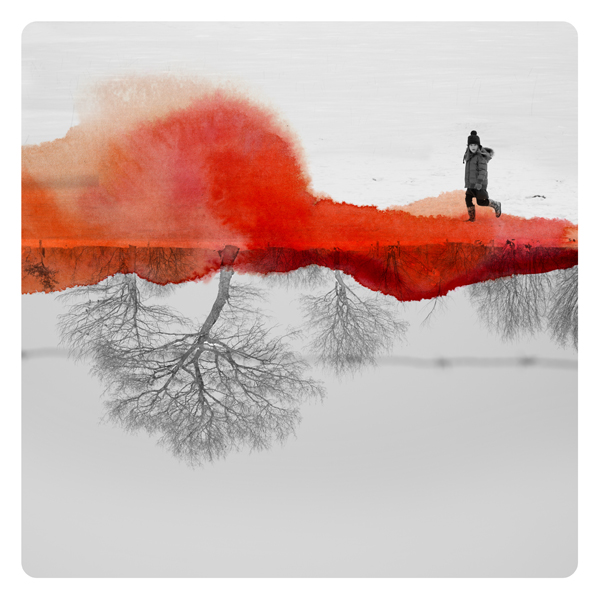
And of course beauty: the beauty that was for him the link between the ships and the woods and the poems. He remembered as though it were but a few days ago that winter night, himself too young even to know the meaning of beauty, when he had looked up at a delicate tracery of bare black branches against the icy glittering stars: suddenly something that was, all at once, pain and longing and adoring had welled up in him, almost choking him. He had wanted to tell someone, but he had no words, inarticulate in the pain and glory. That nameless something that had stopped his heart was Beauty. Even now, for him, 'bare branches against the stars' was a synonym for beauty.
-Vanauken, A Severe Mercy
 -"Mlle A", Miroir, Fabienne Rivory
-Vanauken, A Severe Mercy
Saturday, February 02, 2013
Teaching Vicariously 2
Though the effects of group-think and mob-mentality are pervasive, the number one rule of teaching is to remember kids are always smarter than we give them credit. And if you want to keep a room full of little gremlins under control, the number two rule of teaching is to move quickly and keep them guessing. And then there are beautiful moments when those two rules come together perfectly: the teacher moves quickly and the kids actually follow.
The most magical moments during my short teaching career were when certain kids picked up on my irony and sarcasm and played along. I was in the zone and so were they, and suddenly the classroom dialogue unrolled into a surreal ping-pong match of quick wit, something fit for a sit-com or indie screenplay.
I had been reading Stuart Little with the kid, pleased by the prose but underwhelmed by the story. But something changed when Stuart pulls up to a despondent superintendent of schools randomly pouting on the side of the road. What's his problem? He's got plenty, but today's is finding a substitute teacher for Miss Gunderson. The doctor says she may have rhinestones, and there's nobody in this town who knows anything, and school is supposed to begin in an hour.
It's this wonderfully offbeat setup that peaked my interest, and it only gets better from there. Because Stuart the mouse becomes the heroic substitute teacher for the day. And it only gets quirkier and more off-kilter, something fit for a Wes Anderson film, reminding me of those rare, beautiful moments of my own in the classroom. The moments where the goodie-two-shoes are slightly nervous, the bright rebels are delighted and take the lead, and the rest are a little bit lost but more than happy to observe. Move quickly. Keep them guessing. Hope they'll join you.
"Let me have your attention please!" repeated Stuart. "As you know, Miss Gunderson is sick and I am taking her place."
"What's the matter with her?" asked Roy Hart, eagerly.
"Vitamin trouble," replied Stuart. "She took Vitamin D when she needed A. She took B when she was short of C, and her system became overloaded with riboflavin, thiamine hydrochloride, and even with pyridoxine, the need for which in human nutrition has not been established. Let it be a lesson for all of us!" He glared fiercely at the children and they made no more inquiries...
"What's the first subject you usually take up in the morning?"
"Arithmetic," shouted the children.
"Bother arithmetic!" snapped Stuart. "Let's skip it...what next do you study?"
"Spelling," cried the children.
"Well," said Stuart, "a misspelled word is an abomination in the sight of everyone. I consider it a very fine thing to spell words correctly and I strongly urge every one of you to buy a Webster's Collegiate Dictionary and consult it whenever you are in the slightest doubt. So much for spelling. What's next?"
..."Writing," cried the scholars."
"Goodness," said Stuart in disgust, "don't you children know how to write yet?"
"Certainly we do!" yelled one and all.
"So much for that, then," said Stuart.
"Social studies come next," cried Elizabeth Gardner, eagerly.
"Social studies? Never heard of them," said Stuart. "Instead of taking up any special subject this morning, why wouldn't it be a good idea if we just talked about something."
The scholars glanced around at each other in expectancy.
"Could we talk about the way it feels to hold a snake in your hand and then it winds itself around your wrist?" asked Arthur Greenlaw.
"We could, but I'd rather not." replied Stuart.
"Could we talk about sin and vice?" pleaded Lydia Lacey.
"Nope," said Stuart. "Try again."
"Could we talk about the fat woman at the circus and she had hair all over her chin?" begged Isidor Feinberg, reminiscently.
"No," said Stuart. "I'll tell you, let's talk about...the Chairman of the World. The world gets into a lot of trouble because it has no chairman...The Chairman has to have ability and he must know what's important. How many of you know what's important?"
Up went all the hands.
"Very good," said Stuart, cocking one leg across the other and shoving his hands in the pockets of his jacket. "Henry Rackmeyer, you tell us what is important."
"A shaft of sunlight at the end of a dark afternoon, a note in music, and the way the back of a baby's neck smells if its mother keeps it tidy," answered Henry.
"Correct," said Stuart. "Those are important things. You forgot one thing, though. Mary Bendix, what did Henry Rackmeyer forget?"
"He forgot ice cream with chocolate sauce on it," said Mary quickly.
"Exactly," said Stuart. "Ice cream is important"....
The most magical moments during my short teaching career were when certain kids picked up on my irony and sarcasm and played along. I was in the zone and so were they, and suddenly the classroom dialogue unrolled into a surreal ping-pong match of quick wit, something fit for a sit-com or indie screenplay.
I had been reading Stuart Little with the kid, pleased by the prose but underwhelmed by the story. But something changed when Stuart pulls up to a despondent superintendent of schools randomly pouting on the side of the road. What's his problem? He's got plenty, but today's is finding a substitute teacher for Miss Gunderson. The doctor says she may have rhinestones, and there's nobody in this town who knows anything, and school is supposed to begin in an hour.
It's this wonderfully offbeat setup that peaked my interest, and it only gets better from there. Because Stuart the mouse becomes the heroic substitute teacher for the day. And it only gets quirkier and more off-kilter, something fit for a Wes Anderson film, reminding me of those rare, beautiful moments of my own in the classroom. The moments where the goodie-two-shoes are slightly nervous, the bright rebels are delighted and take the lead, and the rest are a little bit lost but more than happy to observe. Move quickly. Keep them guessing. Hope they'll join you.
"Let me have your attention please!" repeated Stuart. "As you know, Miss Gunderson is sick and I am taking her place."
"What's the matter with her?" asked Roy Hart, eagerly.
"Vitamin trouble," replied Stuart. "She took Vitamin D when she needed A. She took B when she was short of C, and her system became overloaded with riboflavin, thiamine hydrochloride, and even with pyridoxine, the need for which in human nutrition has not been established. Let it be a lesson for all of us!" He glared fiercely at the children and they made no more inquiries...
"What's the first subject you usually take up in the morning?"
"Arithmetic," shouted the children.
"Bother arithmetic!" snapped Stuart. "Let's skip it...what next do you study?"
"Spelling," cried the children.
"Well," said Stuart, "a misspelled word is an abomination in the sight of everyone. I consider it a very fine thing to spell words correctly and I strongly urge every one of you to buy a Webster's Collegiate Dictionary and consult it whenever you are in the slightest doubt. So much for spelling. What's next?"
..."Writing," cried the scholars."
"Goodness," said Stuart in disgust, "don't you children know how to write yet?"
"Certainly we do!" yelled one and all.
"So much for that, then," said Stuart.
"Social studies come next," cried Elizabeth Gardner, eagerly.
"Social studies? Never heard of them," said Stuart. "Instead of taking up any special subject this morning, why wouldn't it be a good idea if we just talked about something."
The scholars glanced around at each other in expectancy.
"Could we talk about the way it feels to hold a snake in your hand and then it winds itself around your wrist?" asked Arthur Greenlaw.
"We could, but I'd rather not." replied Stuart.
"Could we talk about sin and vice?" pleaded Lydia Lacey.
"Nope," said Stuart. "Try again."
"Could we talk about the fat woman at the circus and she had hair all over her chin?" begged Isidor Feinberg, reminiscently.
"No," said Stuart. "I'll tell you, let's talk about...the Chairman of the World. The world gets into a lot of trouble because it has no chairman...The Chairman has to have ability and he must know what's important. How many of you know what's important?"
Up went all the hands.
"Very good," said Stuart, cocking one leg across the other and shoving his hands in the pockets of his jacket. "Henry Rackmeyer, you tell us what is important."
"A shaft of sunlight at the end of a dark afternoon, a note in music, and the way the back of a baby's neck smells if its mother keeps it tidy," answered Henry.
"Correct," said Stuart. "Those are important things. You forgot one thing, though. Mary Bendix, what did Henry Rackmeyer forget?"
"He forgot ice cream with chocolate sauce on it," said Mary quickly.
"Exactly," said Stuart. "Ice cream is important"....
Sunday, January 20, 2013
Teaching Vicariously 1
The biggest trouble I think I ever got into in elementary school was second grade. Mrs. Frey, whom some of us were known to call Mrs. Fried-Eggs, had set up an independent learning station in one corner, where we'd go and put on the over-sized headphones of the cassette player and listen to tapes on the American Indians.
One day, a few too many of us congregated in the learning center and that's where the trouble started. One of us dared another to press the little red button. One thing led to another and of course it happened, and before we knew it, we were all recording our nonsense banter over top of the preciously crafted, long-time cherished, American Indian info-tapes.
To this day I can remember the strange feeling, and remain convinced, that all of us knew in general what we were doing, but none of us knew exactly what we were doing. We knew that sneaky red button nestled in the middle of the play button wasn't meant to be pressed, and I think we knew in general what the word "record" meant, but we really didn't understand what would happen next. It's quintessential group-think, mob-mentality, where a sort of haze takes over everyone and reduces the room to a bunch of mindless savages who should know better but ultimately don't.
 Of course, we all claimed innocence and ignorance. No one really knew who pressed it and no one really knew what it did. An accident...of sorts. I don't think we were lying. I remember us--half the class--being in deep trouble. Writing something to the effect of, "I will not press the record button and disrespect American Indian history and ruin learning opportunities for decades of second graders to come" at least 100 times, and a letter explaining to our parents, and a formal apology to Mrs. Frey, and so on and so forth. As an adult with a grain of common sense though, some questions arise: What's she doing trusting a bunch of 7 year olds with a temptingly red colored record button? And doesn't she know about breaking those little tabs off the corners of the cassette so you can't record anymore?
And now that I've done some teaching myself, I look back on this episode with a certain amount of fondness, knowing that the kids whose necks you want to strangle are often the kids who, with a certain amount of distance anyway, are the ones you really love. It's the twinkle of mischief in their eyes. Most of the shenanigans are mostly harmless, not entirely intentional, and just part of growing up. By taking a step away, you can see the chaos of it all and just laugh. Laugh at them, laugh at yourself, laugh at humanity and this strange and messy process of maturity. I know quite well Mrs. Frey was furious with us, and yet, part of me thinks she took that silly cassette home and played it for her friends at dinner parties. It was surely comedic gold.
The only French book I've been succeeding in reading has been the tales of Little Nicolas. (It's no Victor Hugo but you gotta start somewhere.) And I think I've finally realized why I love it so much. In recounting all the grief Nicolas and his entourage cause the grownups, story after story, this mischievous group-think idea is captured perfectly. The boys all at once have no idea what they're doing and know exactly what they're doing. And it's chaos. And it's growing up. And now that I'm not the teacher anymore; I can laugh and love them all the more.
 And so, I humbly offer here my best translation of a small excerpt that made me giggle, so that you can enjoy it with me. A truck of doctors is at the school giving the boys routine x-rays. Some students are pretty nervous about going, particularly Agnan, because his friends told him they were taking out kids' appendixes. Chaos ensues. Adults lose it.
 Agnan began crying again and yelling that he wouldn't go and that, if he had been notified he would have brought an excuse from his parents, and that he'd bring one tomorrow, and he held onto his seat with two hands, and he was kicking everywhere. The teacher sighed and approached him.
"Listen, Agnan," said the teacher, "I assure you there's no reason to be scared. The doctors won't even touch you; then you'll see, it's fun, the doctors came in a big truck and we go into it on a small staircase, and it's prettier than anything you've ever seen. And then, hey, if you're good, I promise I'll quiz you with some math facts."
"On fractions?" asked Agnan.
The teacher said yes, so he let go of his seat. But when we went down into the hallway, we ran into the big kids who were returning to class. "Hey, did it hurt?" asked Geoffroy.
"Terrible!" responded one. "It burns! And it stings! And it scratches! And they go in with big knives and there's blood everywhere!"
And all the big kids left laughing and Agnan started rolling on the ground like he was really sick and the hall monitor came and picked him up to take him to the nurses office...
...The doctors assured the school director, "Don't worry, we're used to it, and with us they'll behave. Everything will happen in peace and quiet."
Then, we heard terrible screams. It was the hall monitor arriving, dragging Agnan behind by the arm. One doctor picked up Agnan and Agnan kicked him over and over, yelling to let go, that he was promised they wouldn't touch him, that everyone lied, and that he was going to call the police. The doctor went in the truck with Agnan and we heard more screams, and then a loud voice that said, "STOP MOVING! If you keep wiggling I'm taking you to the hospital!" Then we saw Agnan come out of the side door with a big smile, and he ran back into the school.
One day, a few too many of us congregated in the learning center and that's where the trouble started. One of us dared another to press the little red button. One thing led to another and of course it happened, and before we knew it, we were all recording our nonsense banter over top of the preciously crafted, long-time cherished, American Indian info-tapes.
To this day I can remember the strange feeling, and remain convinced, that all of us knew in general what we were doing, but none of us knew exactly what we were doing. We knew that sneaky red button nestled in the middle of the play button wasn't meant to be pressed, and I think we knew in general what the word "record" meant, but we really didn't understand what would happen next. It's quintessential group-think, mob-mentality, where a sort of haze takes over everyone and reduces the room to a bunch of mindless savages who should know better but ultimately don't.

And now that I've done some teaching myself, I look back on this episode with a certain amount of fondness, knowing that the kids whose necks you want to strangle are often the kids who, with a certain amount of distance anyway, are the ones you really love. It's the twinkle of mischief in their eyes. Most of the shenanigans are mostly harmless, not entirely intentional, and just part of growing up. By taking a step away, you can see the chaos of it all and just laugh. Laugh at them, laugh at yourself, laugh at humanity and this strange and messy process of maturity. I know quite well Mrs. Frey was furious with us, and yet, part of me thinks she took that silly cassette home and played it for her friends at dinner parties. It was surely comedic gold.
The only French book I've been succeeding in reading has been the tales of Little Nicolas. (It's no Victor Hugo but you gotta start somewhere.) And I think I've finally realized why I love it so much. In recounting all the grief Nicolas and his entourage cause the grownups, story after story, this mischievous group-think idea is captured perfectly. The boys all at once have no idea what they're doing and know exactly what they're doing. And it's chaos. And it's growing up. And now that I'm not the teacher anymore; I can laugh and love them all the more.
 And so, I humbly offer here my best translation of a small excerpt that made me giggle, so that you can enjoy it with me. A truck of doctors is at the school giving the boys routine x-rays. Some students are pretty nervous about going, particularly Agnan, because his friends told him they were taking out kids' appendixes. Chaos ensues. Adults lose it.
"Listen, Agnan," said the teacher, "I assure you there's no reason to be scared. The doctors won't even touch you; then you'll see, it's fun, the doctors came in a big truck and we go into it on a small staircase, and it's prettier than anything you've ever seen. And then, hey, if you're good, I promise I'll quiz you with some math facts."
"On fractions?" asked Agnan.
The teacher said yes, so he let go of his seat. But when we went down into the hallway, we ran into the big kids who were returning to class. "Hey, did it hurt?" asked Geoffroy.
"Terrible!" responded one. "It burns! And it stings! And it scratches! And they go in with big knives and there's blood everywhere!"
And all the big kids left laughing and Agnan started rolling on the ground like he was really sick and the hall monitor came and picked him up to take him to the nurses office...
...The doctors assured the school director, "Don't worry, we're used to it, and with us they'll behave. Everything will happen in peace and quiet."
Then, we heard terrible screams. It was the hall monitor arriving, dragging Agnan behind by the arm. One doctor picked up Agnan and Agnan kicked him over and over, yelling to let go, that he was promised they wouldn't touch him, that everyone lied, and that he was going to call the police. The doctor went in the truck with Agnan and we heard more screams, and then a loud voice that said, "STOP MOVING! If you keep wiggling I'm taking you to the hospital!" Then we saw Agnan come out of the side door with a big smile, and he ran back into the school.
Wednesday, October 24, 2012
Felt
I opened a book of poetry tonight. I found this note taped on the inside cover:
"Hi Nate, it's me...your book.
I was getting bored just sitting on the shelf so I decided to visit Quakertown, while there I met a girl named Olivia, she believes in God and reads her bible, but doesn't take part in corporate worship, I thought maybe I could help her, then it got cold, so I hunkered down for the winter...
When spring came every flower petal and budding branch reminded me of home, it was hard to leave but I knew the time had come, I've had quite enough adventure for one year. I'm a little bit older, a bit wiser."
Aside from a loving wife and understanding friends, apart from finally adding Romans 8:29 to Romans 8:28, there were two things that got me through two of the hardest years of my life. Six Parts Seven and a few books of poetry. I revisited those things tonight, not because I am depressed, at least not tonight, but simply because I wanted to relax.
And I was reminded again how, like this book that took a year long adventure to encourage meandering Christians in Quakertown, poetry can sort of take on a life of it's own, pointing upward, onward, wrestling with words for grasping at ideas, feeling, moving, revealing, and balancing tensions between the tug of already and the push of not yet. And looking back that's a lot of what I needed in those years, something to tell me there was a world bigger than the one in which I was momentarily trapped, but it's a need that doesn't quite go away.
There are some lines that inexplicably grab you. Sometimes dissecting and analyzing and theorizing pays off and gets somewhere, but most times poetry is just simply felt. Like a Six Parts Seven song.
And I guess this is me trying to communicate that feeling, those feelings, without doing the poet's job of laboring, editing, revising, rewriting. No, this is just a brief tribute before going to bed. An odd way of saying thank you.
"Hi Nate, it's me...your book.
I was getting bored just sitting on the shelf so I decided to visit Quakertown, while there I met a girl named Olivia, she believes in God and reads her bible, but doesn't take part in corporate worship, I thought maybe I could help her, then it got cold, so I hunkered down for the winter...
When spring came every flower petal and budding branch reminded me of home, it was hard to leave but I knew the time had come, I've had quite enough adventure for one year. I'm a little bit older, a bit wiser."
Aside from a loving wife and understanding friends, apart from finally adding Romans 8:29 to Romans 8:28, there were two things that got me through two of the hardest years of my life. Six Parts Seven and a few books of poetry. I revisited those things tonight, not because I am depressed, at least not tonight, but simply because I wanted to relax.
And I was reminded again how, like this book that took a year long adventure to encourage meandering Christians in Quakertown, poetry can sort of take on a life of it's own, pointing upward, onward, wrestling with words for grasping at ideas, feeling, moving, revealing, and balancing tensions between the tug of already and the push of not yet. And looking back that's a lot of what I needed in those years, something to tell me there was a world bigger than the one in which I was momentarily trapped, but it's a need that doesn't quite go away.
There are some lines that inexplicably grab you. Sometimes dissecting and analyzing and theorizing pays off and gets somewhere, but most times poetry is just simply felt. Like a Six Parts Seven song.
And I guess this is me trying to communicate that feeling, those feelings, without doing the poet's job of laboring, editing, revising, rewriting. No, this is just a brief tribute before going to bed. An odd way of saying thank you.
Friday, July 06, 2012
Take and Eat
A new book has me a little fascinated and thinking a lot about eating, and I'm sure you'll be hearing more about it from me in coming weeks: A Meal with Jesus puts an emphasis on what seems to be Christ's bizarrely obsessive fixation on food and drink during his time here on earth. It's a little surprising, refreshingly thought-provoking. But it begins to make perfect sense that Jesus chooses to give his followers a meal by which to remember him.
I don't intend to delve into any real theology behind the communion meal here and now. But my thoughts are drifting in that direction for another reason as well, a new song by The Welcome Wagon.
Speaking from my narrow experience, I've begun to think it strange, the somber and almost hesitant approach American Evangelicals take towards communion. The music, the hushed tone, the warnings, seem almost to be focused on a sense of guilt more than anything, almost as if we're trying to talk people out of participating. We take Paul's exhortation to self-examination and somehow decide you can only properly take the communion meal if you feel sad about it or bad about it.
But just as Christ seems to be constantly inviting people to a meal (or in some cases inviting himself!), he invites us here as well. More than that, to his disciples, it seemed even stronger: Take! Share! Eat! Do this! Less of an invitation and more of pushy grandmother "offering" second helpings.
And so, if you belong to him, if you are hungry and thirsty, his grace tells us there is no need to hesitate: come, participate fully and joyfully.
And so I love this sweet little communion song, balancing a hushed melancholy with the warm hospitality of your mother's kitchen. With it's charming wandering clarinet riff, the song, like Jesus, invites you in, pulls up a chair for you, welcomes you to the table, reassures you, and makes your heart glad for the grace that allows you to partake.
(The rest of this new album is worth checking out too! Not much will grab you the first time around, but I've found it grows with time.)
These lyrics are taken from a 7th century Irish monastery...
Draw nigh and take the body of the Lord
And drink the holy blood for you outpoured
Offered was He for greatest and for least
Himself the Victim and Himself the Priest
He that His saints in this world rules and shields
To all believers life eternal yields
With heavenly bread makes them that hunger whole
Gives living waters to the thirsting soul
Approach ye, then, with faithful hearts sincere
And take the pledges of salvation here
O Judge of all, our only Savior Thou
in this Thy feast of love be with us now
I don't intend to delve into any real theology behind the communion meal here and now. But my thoughts are drifting in that direction for another reason as well, a new song by The Welcome Wagon.
Speaking from my narrow experience, I've begun to think it strange, the somber and almost hesitant approach American Evangelicals take towards communion. The music, the hushed tone, the warnings, seem almost to be focused on a sense of guilt more than anything, almost as if we're trying to talk people out of participating. We take Paul's exhortation to self-examination and somehow decide you can only properly take the communion meal if you feel sad about it or bad about it.
But just as Christ seems to be constantly inviting people to a meal (or in some cases inviting himself!), he invites us here as well. More than that, to his disciples, it seemed even stronger: Take! Share! Eat! Do this! Less of an invitation and more of pushy grandmother "offering" second helpings.
And so, if you belong to him, if you are hungry and thirsty, his grace tells us there is no need to hesitate: come, participate fully and joyfully.
And so I love this sweet little communion song, balancing a hushed melancholy with the warm hospitality of your mother's kitchen. With it's charming wandering clarinet riff, the song, like Jesus, invites you in, pulls up a chair for you, welcomes you to the table, reassures you, and makes your heart glad for the grace that allows you to partake.
(The rest of this new album is worth checking out too! Not much will grab you the first time around, but I've found it grows with time.)
These lyrics are taken from a 7th century Irish monastery...
Draw nigh and take the body of the Lord
And drink the holy blood for you outpoured
Offered was He for greatest and for least
Himself the Victim and Himself the Priest
He that His saints in this world rules and shields
To all believers life eternal yields
With heavenly bread makes them that hunger whole
Gives living waters to the thirsting soul
Approach ye, then, with faithful hearts sincere
And take the pledges of salvation here
O Judge of all, our only Savior Thou
in this Thy feast of love be with us now
Tuesday, April 24, 2012
Takes and Takes and Takes
Others might read The Giving Tree a different way. It's not so much about Giving as it is about Taking. And it's true, it's not really all that happy of a story, as the bulk of it is actually a tale of abuse. It's a dark picture of using another's kindness for pleasing one's own insatiable selfishness. That boy will take as much as he can as long as he can with little sign of gratitude or even satisfaction. I guess an alternate title could easily be The Taking Boy.
 A parent snuggles up to read a good book with their child, and they're faced with a tale like this, a stark mirror showing the sickness of our own human condition. We squirm uncomfortably in our seats, stick to the first half of the book when things were still perfect or race to the resolution, hoping little guy won't notice. It's just a little too honest for us, a little too true.
But the grace of the giving is not nearly as precious if we ignore the tragedy of the taking.
And it all sounds a lot like the story of the Bible. Sure, there's a lot of giving--miraculous provision and compassionate care. But there's also a lot of taking--grumbling, discontentment, and incessant demands for more.
There are two sides to the same coin here, and so it is with Jesus' words. The other half of the sermon I listened to last night included Christ's words that immediately precede the welcome, gracious invitation to rest. They are a stark warning against taking and taking and taking, against the abuse of generous grace, against using the gift of every day we have on this earth for going our own way and attempting to find happiness in our own selfish pursuits, then shaking our fist at God when we're still not happy.
"Then he began to denounce the cities where most of his mighty works had been done, because they did not repent. 'Woe to you, Chorazin! Woe to you, Bethsaida! For if the mighty works done in you had been done in Tyre and Sidon, they would have repented long ago in sackcloth and ashes. But I tell you, it will be more bearable on the day of judgment for Tyre and Sidon than for you. And you, Capernaum, will you be exalted to heaven? You will be brought down to Hades. For if the mighty works done in you had been done in Sodom, it would have remained until this day. But I tell you that it will be more tolerable on the day of judgment for the land of Sodom than for you."
He had healed the sick, cast out demons, even raised the dead, and they still said, "That's not enough. We're not convinced. We need more."
He graciously gives and patiently waits. That's reason to accept his invitation, not to continue abusing his generosity.

But the grace of the giving is not nearly as precious if we ignore the tragedy of the taking.
And it all sounds a lot like the story of the Bible. Sure, there's a lot of giving--miraculous provision and compassionate care. But there's also a lot of taking--grumbling, discontentment, and incessant demands for more.
There are two sides to the same coin here, and so it is with Jesus' words. The other half of the sermon I listened to last night included Christ's words that immediately precede the welcome, gracious invitation to rest. They are a stark warning against taking and taking and taking, against the abuse of generous grace, against using the gift of every day we have on this earth for going our own way and attempting to find happiness in our own selfish pursuits, then shaking our fist at God when we're still not happy.
"Then he began to denounce the cities where most of his mighty works had been done, because they did not repent. 'Woe to you, Chorazin! Woe to you, Bethsaida! For if the mighty works done in you had been done in Tyre and Sidon, they would have repented long ago in sackcloth and ashes. But I tell you, it will be more bearable on the day of judgment for Tyre and Sidon than for you. And you, Capernaum, will you be exalted to heaven? You will be brought down to Hades. For if the mighty works done in you had been done in Sodom, it would have remained until this day. But I tell you that it will be more tolerable on the day of judgment for the land of Sodom than for you."
He had healed the sick, cast out demons, even raised the dead, and they still said, "That's not enough. We're not convinced. We need more."
He graciously gives and patiently waits. That's reason to accept his invitation, not to continue abusing his generosity.
Monday, April 23, 2012
Gives and Gives and Gives
The kid walked out to the living room, grin on his face, book under his arm. "Papaaa," he called, as though he were trying to tempt me into something. "Look...The Giving Tree!"
No need to tempt me. We promptly sat down and read it.
The simple tale of a tree that gives and gives and gives to a distracted boy, and is finally pleased when the old man gives up the futile search for happiness elsewhere and decides to sit down and rest on the stump that is left.
 Quit your searching, your trying, your labor and your toil, none of it will give you happiness like resting with the one who generously, patiently, relentlessly gives.
After tucking the boy in, I hunkered down in the kitchen to wash some dishes. It's a long affair these days because the vintage dishwasher that came with the apartment appears to be broken and I have not yet tried to figure out how to find a repairman of vintage dishwashers in France. And so while washing dishes, I had plenty of time to listen to a sermon by a friend.
He read these words to me:
"Come to me, all who labor and are heavy laden, and I will give you rest. Take my yoke upon you, and learn from me, for I am gentle and lowly in heart, and you will find rest for your souls. For my yoke is easy, and my burden is light."
You probably know by now I tend to complicate things. I get bogged down in details and mechanics and whys and hows and ifs and ands and buts. But as I washed those dishes, I heard the Gospel, the core of Christianity, as one simple message. The Creator King who generously and graciously gives us day after beautiful day to use how we wish opens his arms and extends a simple, personal invitation:
"Come, rest, learn."
As Bonhoeffer said to me the other day, "He wants to be gracious to you."
No begging your way in, He's ready when you are.
No long list of demands or requirements. No clean-up acts or fancy well-rehearsed apologies. No measuring up or buckling down. Just come. Get into this yoke with Him; it's far easier than the one you're pulling yourself. Get rid of that burden you're carrying; His is much lighter. Just come. Get some rest.
"Ok, but what do I need to do?" you'll ask.
Quit trying to complicate things. Get over yourself. Just come, rest, and learn.
No need to tempt me. We promptly sat down and read it.
The simple tale of a tree that gives and gives and gives to a distracted boy, and is finally pleased when the old man gives up the futile search for happiness elsewhere and decides to sit down and rest on the stump that is left.
After tucking the boy in, I hunkered down in the kitchen to wash some dishes. It's a long affair these days because the vintage dishwasher that came with the apartment appears to be broken and I have not yet tried to figure out how to find a repairman of vintage dishwashers in France. And so while washing dishes, I had plenty of time to listen to a sermon by a friend.
He read these words to me:
"Come to me, all who labor and are heavy laden, and I will give you rest. Take my yoke upon you, and learn from me, for I am gentle and lowly in heart, and you will find rest for your souls. For my yoke is easy, and my burden is light."
You probably know by now I tend to complicate things. I get bogged down in details and mechanics and whys and hows and ifs and ands and buts. But as I washed those dishes, I heard the Gospel, the core of Christianity, as one simple message. The Creator King who generously and graciously gives us day after beautiful day to use how we wish opens his arms and extends a simple, personal invitation:
"Come, rest, learn."
As Bonhoeffer said to me the other day, "He wants to be gracious to you."
No begging your way in, He's ready when you are.
No long list of demands or requirements. No clean-up acts or fancy well-rehearsed apologies. No measuring up or buckling down. Just come. Get into this yoke with Him; it's far easier than the one you're pulling yourself. Get rid of that burden you're carrying; His is much lighter. Just come. Get some rest.
"Ok, but what do I need to do?" you'll ask.
Quit trying to complicate things. Get over yourself. Just come, rest, and learn.
Wednesday, November 02, 2011
Why Advent?
Every year we say the same thing, hear the same thing. It resembles a New Year’s resolution one month early. “This year I really want to focus on the true reason for the season. You know, not get so caught up in the commercialism of it all. I’m going to finish the shopping and the wrapping and the baking and the preparing early, so I have time to slow down and enjoy it all and remember what its really all about.”
But the 9 to 5 churns on til the 24th, traffic is thick, lines are long, parties are plentiful, and every year the gift list grows. Those good intentions often get dropped as quickly as the treadmill walking does just after the first of January.
I guess it dawned on me a few years back that this advent thing we halfway do in Evangelical churches was meant to be more than lighting a new candle each week before the Christmas sermon. Traditionally, it’s meant to be a season, a whole month, and one meant for reflections of eager expectation.
And so when we express those good intentions, we're actually looking for Advent, something to keep us balanced and grounded amidst the rest of the hectic festivities. Something to help our souls magnify the Lord the way Mary's did that first Advent season.
My first year of trying to make this a more intentional exercise consisted of scripture-based reflections on our need for this Savior-baby. (You can find most of those here, by the way.) It proved worthwhile. All of a sudden I was worshipping while singing Christmas carols rather than rehearsing the to-do list while mouthing familiar words. Shopping was done with new perspective. Parties had a new depth. Family celebrations came with a sense of deep gratitude. My soul was magnifying the Lord, making God big.
Subsequent years have differed in approach and intensity, but I am convinced we need something to capture our attention in a season of distraction.
So, here's the deal. Advent is about 25 days away, and its observation takes a little bit of forethought. I can't guarantee our little book will help you magnify the Lord (in part because I have yet to lay my hands on an actual copy! Mine arrives in the suitcase of a friend this weekend!), but it might not be a bad place to start. I want to encourage you to do something that will help you focus your thoughts and intentionally celebrate the season. And if our book can help you do that, the twelve of us will be delighted.
So, at the risk of making these genuine thoughts look like just a sneaky advertisement, here's another reminder: Our Savior Come is available now on Amazon.
But the 9 to 5 churns on til the 24th, traffic is thick, lines are long, parties are plentiful, and every year the gift list grows. Those good intentions often get dropped as quickly as the treadmill walking does just after the first of January.
I guess it dawned on me a few years back that this advent thing we halfway do in Evangelical churches was meant to be more than lighting a new candle each week before the Christmas sermon. Traditionally, it’s meant to be a season, a whole month, and one meant for reflections of eager expectation.
And so when we express those good intentions, we're actually looking for Advent, something to keep us balanced and grounded amidst the rest of the hectic festivities. Something to help our souls magnify the Lord the way Mary's did that first Advent season.
My first year of trying to make this a more intentional exercise consisted of scripture-based reflections on our need for this Savior-baby. (You can find most of those here, by the way.) It proved worthwhile. All of a sudden I was worshipping while singing Christmas carols rather than rehearsing the to-do list while mouthing familiar words. Shopping was done with new perspective. Parties had a new depth. Family celebrations came with a sense of deep gratitude. My soul was magnifying the Lord, making God big.
Subsequent years have differed in approach and intensity, but I am convinced we need something to capture our attention in a season of distraction.
So, here's the deal. Advent is about 25 days away, and its observation takes a little bit of forethought. I can't guarantee our little book will help you magnify the Lord (in part because I have yet to lay my hands on an actual copy! Mine arrives in the suitcase of a friend this weekend!), but it might not be a bad place to start. I want to encourage you to do something that will help you focus your thoughts and intentionally celebrate the season. And if our book can help you do that, the twelve of us will be delighted.

So, at the risk of making these genuine thoughts look like just a sneaky advertisement, here's another reminder: Our Savior Come is available now on Amazon.
Friday, October 21, 2011
Wow...There's a book for sale on Amazon with my name on it.
I and several others are pleased to announce that Our Savior Come: An Advent Companion is now available for purchase on Amazon. Here for the paperback, and here for the e-book.
Of course, as this has been an independent operation, if your interest is piqued please pass on the news to your friends. If you read it, post a review to Amazon or whatever other social networks you prefer to frequent. Or, why not tell people about it in real life too? Like, perhaps, sharing it with your church or small group.
If you live in the Harrisburg area, or have been wanting to make a road trip to Harrisburg (it's the capital of Pennsylvania, you know), there will be a book release party at Midtown Scholar, which I've heard is quite an amazing place. November 6th, 4PM. I'll be there...in spirit.


Of course, as this has been an independent operation, if your interest is piqued please pass on the news to your friends. If you read it, post a review to Amazon or whatever other social networks you prefer to frequent. Or, why not tell people about it in real life too? Like, perhaps, sharing it with your church or small group.
If you live in the Harrisburg area, or have been wanting to make a road trip to Harrisburg (it's the capital of Pennsylvania, you know), there will be a book release party at Midtown Scholar, which I've heard is quite an amazing place. November 6th, 4PM. I'll be there...in spirit.


Wednesday, October 19, 2011
Rags to Riches
"Seigneur, je ne suis pas saint. Je suis misérable." Lord, I'm not holy. I'm wretched. So began the prayer of an elder before communion. He turned to us and said, "Brothers and sisters, if you wait until you're holy before eating this bread and drinking this wine, you'll never come."
The week prior in French class, we listened to a poem called "La Grasse Matinée" by Jacques Prevert. You could probably care less about a poem in a foreign language, but stick with me. It's a poem narrated by a starving man in the city, the kind of homeless beggar that everyone sees and no one sees. We feel and hear his stomach growling as though it was our own. We see him standing in front of a grocery store window full of every type of food imaginable, all within arm's reach and yet out of reach with endless barricades between. And all of it only makes the hunger worse. We stand with him outside a café and smell the coffee, the croissants, the beef dishes, the wine, all of which only smell stronger because of the hunger. We're driven to anger with him in the face of this injustice between the haves and have-nots, this stark juxtaposition, the same world and worlds apart, and all of a sudden,
a murder. An esteemed man killed, pockets cleaned out, 2 francs for a coffee, 70 cents for buttered crackers, and 25 cents for tip. A life exchanged for breakfast.
That afternoon, I happened to be leading a little Bible study in class on Psalm 113. And as I walked to school that afternoon to share, it hit me, a smile and a chill, as I saw both "La Grasse Matinée" and Psalm 113 in a new light.
The Psalm says,
"Il arrache à la poussière l'homme misérable,
il relève l'indigent et le tire de la boue
pour le faire asseoir parmi les notables,
les notables de son peuple."
He pulls from the dust the wretched man,
he takes the pauper and pulls him from the mud,
to make him sit among the noteworthy citizens of his society.
Psalm 113 uses the same stark juxtaposition Prevert does. Homeless beggars in the dust and mud compared to princes in their power and popularity. But the conclusions couldn't be any more different. Whereas in our broken world this irreconcilable division ends in murder, in God's kingdom, the vagabond is invited to the café table, seated next to the man who is esteemed in his neighborhood, and they drink their café-crème and eat their butter croissants together as equals.
Again there is a murder involved, in which the only truly estimable man willingly lays down his life for the have-nots, and this time once for all, providing for much more than one small breakfast for one hungry man. This time, a life exchanged for an eternal feast.
"Come, he who has no money,
come, buy and eat!
Come, buy wine and milk
without money and without price!"
And it's this image that came to mind again that Sunday morning during communion, when we misérables were invited to eat and drink at the table again, seated with a Prince.
The week prior in French class, we listened to a poem called "La Grasse Matinée" by Jacques Prevert. You could probably care less about a poem in a foreign language, but stick with me. It's a poem narrated by a starving man in the city, the kind of homeless beggar that everyone sees and no one sees. We feel and hear his stomach growling as though it was our own. We see him standing in front of a grocery store window full of every type of food imaginable, all within arm's reach and yet out of reach with endless barricades between. And all of it only makes the hunger worse. We stand with him outside a café and smell the coffee, the croissants, the beef dishes, the wine, all of which only smell stronger because of the hunger. We're driven to anger with him in the face of this injustice between the haves and have-nots, this stark juxtaposition, the same world and worlds apart, and all of a sudden,
a murder. An esteemed man killed, pockets cleaned out, 2 francs for a coffee, 70 cents for buttered crackers, and 25 cents for tip. A life exchanged for breakfast.
That afternoon, I happened to be leading a little Bible study in class on Psalm 113. And as I walked to school that afternoon to share, it hit me, a smile and a chill, as I saw both "La Grasse Matinée" and Psalm 113 in a new light.
The Psalm says,
"Il arrache à la poussière l'homme misérable,
il relève l'indigent et le tire de la boue
pour le faire asseoir parmi les notables,
les notables de son peuple."
He pulls from the dust the wretched man,
he takes the pauper and pulls him from the mud,
to make him sit among the noteworthy citizens of his society.
Psalm 113 uses the same stark juxtaposition Prevert does. Homeless beggars in the dust and mud compared to princes in their power and popularity. But the conclusions couldn't be any more different. Whereas in our broken world this irreconcilable division ends in murder, in God's kingdom, the vagabond is invited to the café table, seated next to the man who is esteemed in his neighborhood, and they drink their café-crème and eat their butter croissants together as equals.
Again there is a murder involved, in which the only truly estimable man willingly lays down his life for the have-nots, and this time once for all, providing for much more than one small breakfast for one hungry man. This time, a life exchanged for an eternal feast.
"Come, he who has no money,
come, buy and eat!
Come, buy wine and milk
without money and without price!"
And it's this image that came to mind again that Sunday morning during communion, when we misérables were invited to eat and drink at the table again, seated with a Prince.
Thursday, September 08, 2011
Do it Yourself, Do it Together
This is an interesting age of saturation and inundation. Absolutely everyone, it seems, is cutting a CD, writing a book, filming a movie. The options for creating and dispersing are endless, not to mention relatively easy and inexpensive. On one hand, this is exciting as it levels the playing field, democratizes the process, and allows just about anyone to offer their voice and perspective. On the other hand, it feels a bit hopeless and seems incredibly hard to get noticed or go anywhere. A guy like me asks, “Why bother?”
But something else interesting happens. The art gets more honest. It becomes art for art’s sake, in a sense. People go to the trouble to record, write, film, and distribute not so much to get noticed and hit it big, but simply because there is something else more sincere pushing them to do it. For some it’s a creative urge that isn’t satisfied until expressed. For others it’s a message or a more concrete purpose. The focus becomes personal or local, a humble offering for anyone interested, and thus a bit more communal as well. Indie bands quit wasting their time sending demos to big labels and choose instead to tour the country on their own playing in living rooms. It’s not about being rich and famous, but about sharing and connecting. It may not impact the universe or be talked about in art history courses years later, but it has great potential to be beautiful in its own right and influence the immediate community. I believe that’s no waste.
The arena of writing only expounds these complicated issues. In the age of texts and tweets, who wants to read a book anymore? And when Amazon posts so many thousands of new books each year, who can even choose a book anymore? Again--that's the place a guy like me gives up. But the same counterpoint applies: if someone is writing and publishing, they must have good reason to do so, even if the reason is just for the fun or the beauty of the thing.
I’ve got two friends with good reasons dabbling in the fascinating world of independent publishing, considerably different, but both of whom I am proud.
Kyle Page is carving out his niche in the Valley with his bookstore that seems to double more generally as an art center. His little press has seen several releases already, and of course I am partial to the handmade binding process. Nothing like feeling traces of tender loving elbow grease on the cover of your book.
Dan Schmidt is toying around with things I still don’t understand yet, newfangled gadgets like SmashWords and CreateSpace and FontSquirrel and whatnot. This has become a platform for his own work, and I love that he has this year opened the door to a humble little community of writers, most of whom have not yet been published anywhere except their own blogs. I'm referring to the advent guide I mentioned a few weeks back, which now has its own blog-in-progress, on which (as of today) I have a little post introducing myself.
The DIY ethic seems to be alive and well, stronger than ever. And yet it seems to be morphing these days into more of a do-it-together ethic. All the better.
But something else interesting happens. The art gets more honest. It becomes art for art’s sake, in a sense. People go to the trouble to record, write, film, and distribute not so much to get noticed and hit it big, but simply because there is something else more sincere pushing them to do it. For some it’s a creative urge that isn’t satisfied until expressed. For others it’s a message or a more concrete purpose. The focus becomes personal or local, a humble offering for anyone interested, and thus a bit more communal as well. Indie bands quit wasting their time sending demos to big labels and choose instead to tour the country on their own playing in living rooms. It’s not about being rich and famous, but about sharing and connecting. It may not impact the universe or be talked about in art history courses years later, but it has great potential to be beautiful in its own right and influence the immediate community. I believe that’s no waste.
The arena of writing only expounds these complicated issues. In the age of texts and tweets, who wants to read a book anymore? And when Amazon posts so many thousands of new books each year, who can even choose a book anymore? Again--that's the place a guy like me gives up. But the same counterpoint applies: if someone is writing and publishing, they must have good reason to do so, even if the reason is just for the fun or the beauty of the thing.
I’ve got two friends with good reasons dabbling in the fascinating world of independent publishing, considerably different, but both of whom I am proud.
Kyle Page is carving out his niche in the Valley with his bookstore that seems to double more generally as an art center. His little press has seen several releases already, and of course I am partial to the handmade binding process. Nothing like feeling traces of tender loving elbow grease on the cover of your book.
Dan Schmidt is toying around with things I still don’t understand yet, newfangled gadgets like SmashWords and CreateSpace and FontSquirrel and whatnot. This has become a platform for his own work, and I love that he has this year opened the door to a humble little community of writers, most of whom have not yet been published anywhere except their own blogs. I'm referring to the advent guide I mentioned a few weeks back, which now has its own blog-in-progress, on which (as of today) I have a little post introducing myself.
The DIY ethic seems to be alive and well, stronger than ever. And yet it seems to be morphing these days into more of a do-it-together ethic. All the better.
Sunday, September 04, 2011
Thought #736
Blaise Pascal was a pretty interesting dude, French genius mathematician, inventor of the calculator for one, and a Christian, philosopher, theologian in his later years. On my to do list is to get to know him a bit better.
Also on my to do list is to read his work Pensées in French. If I understand correctly, it's a compilation of "thoughts," mostly written on scraps of paper, each one numbered. Sort of like a 17th century blog, I guess. Left unfinished for editors to piece together and make sense of.
Well, I'm still stuck reading a juvenile fiction book called Petit Nicolas meant for 10 year olds, so I'd say I'm a little ways off from this goal. I cheated today, getting a head start in English. Only read a few quick pages, but found this gem.
"By His grace, I await death in peace, in the hope of being eternally united to Him. Yet I live with joy, whether in the prosperity which it pleases Him to bestow upon me, or in the adversity which He sends for my good, and which he has taught me to bear by His example."
Also on my to do list is to read his work Pensées in French. If I understand correctly, it's a compilation of "thoughts," mostly written on scraps of paper, each one numbered. Sort of like a 17th century blog, I guess. Left unfinished for editors to piece together and make sense of.
Well, I'm still stuck reading a juvenile fiction book called Petit Nicolas meant for 10 year olds, so I'd say I'm a little ways off from this goal. I cheated today, getting a head start in English. Only read a few quick pages, but found this gem.
"By His grace, I await death in peace, in the hope of being eternally united to Him. Yet I live with joy, whether in the prosperity which it pleases Him to bestow upon me, or in the adversity which He sends for my good, and which he has taught me to bear by His example."
Thursday, August 18, 2011
Early Advent
A New Year's Resolution way back in 2008 was to pursue becoming "published" in some form other than Blogger. The closest I got that year was submitting anecdotes to Reader's Digest which, I've sadly deduced, were all rejected. After that year, I moved the goal to a list with a more attainable timeline--the Bucket List. (For the curious, I'm pretty sure it's the only thing on my Bucket List so far.)
Looks like I won't really have to wait so long. With a little generous nudging from friend and writer Dan Schmidt, I've been invited to join the ranks of several others submitting reflections to a guide for the Advent season. It'll be out and available..well..sometime around the Advent season. For those who still like feeling the texture of print on paper like my brother-in-law Wes, there will be a paperback. For those who've fallen prey to the sleek design of a Kindle like my brother-in-law Mark, there will be an e-book. Everyone wins!
If you're one of the three faithful readers around here, you may have caught on to the fact that I've been doing a fair amount of my own Advent reflecting in the past several years. And now that I think about it, that may have started around the time Dan passed on his own little informal Advent guide several years back. From then on, putting together some sort of collaborative Advent writing project in a church context has been a little dream of mine. That's on the bucket list, too, I guess. Better to let Dan do the unwieldy work of gathering, editing, prodding, refining, organizing for now.
Needless to say, I like this idea, excited to see the final product, glad to be a part of it.
I'll probably expound on this a bit more in weeks to come, but for now, you can take a peek of (or give your input on) a few of the potential covers.
Looks like I won't really have to wait so long. With a little generous nudging from friend and writer Dan Schmidt, I've been invited to join the ranks of several others submitting reflections to a guide for the Advent season. It'll be out and available..well..sometime around the Advent season. For those who still like feeling the texture of print on paper like my brother-in-law Wes, there will be a paperback. For those who've fallen prey to the sleek design of a Kindle like my brother-in-law Mark, there will be an e-book. Everyone wins!
If you're one of the three faithful readers around here, you may have caught on to the fact that I've been doing a fair amount of my own Advent reflecting in the past several years. And now that I think about it, that may have started around the time Dan passed on his own little informal Advent guide several years back. From then on, putting together some sort of collaborative Advent writing project in a church context has been a little dream of mine. That's on the bucket list, too, I guess. Better to let Dan do the unwieldy work of gathering, editing, prodding, refining, organizing for now.
Needless to say, I like this idea, excited to see the final product, glad to be a part of it.
I'll probably expound on this a bit more in weeks to come, but for now, you can take a peek of (or give your input on) a few of the potential covers.
Wednesday, July 06, 2011
Walking Wires
With all that's been going on around here, I haven't had much time for heavy reading, and thus I'm forced to retreat to the genre I prefer anyway: children's books. Namely, Caldecott Award Winners.
We stopped through Shakespeare and Company bookstore today for the first time. It's a famous, historic, English-speaking bookstore in the very center of Paris across the street from Notre Dame. I had heard about it, but was even more pleasantly surprised than I expected to be. Full of good books, of course, but also full of delightful little surprises everywhere you look, whether it's a quote on the wall, a unique mosaic floor, a typewriter at your disposal in a little hidden nook, or notes stuck to the walls left from other book-loving tourists. All this to say, you should really consider visiting next time you swing through Paris.
 We didn't have a whole lot of time to linger, but I walked upstairs and immediately saw this book sitting in the children's section. I'm not much of an impulse buyer, but there was no questioning. The only thing that would have made me hesitate is the fact that it's not a hardcover.
 The Man Who Walked Between the Towers is the story of Philippe Petit, the man who stretched a tight rope between the Twin Towers and danced and walked for close to an hour. If you've been around here for a while, you might remember this was the subject of my favorite film in 2008, Man on Wire.
I just finished reading it with the kid a bit ago. I was a bit taken aback that the perspective of these drawings evoked some of the same wonder--as well as that feeling in my gut I get from heights--that the film did. Maybe it helps that I already saw the film. Maybe it helps that I just saw again the towers of Notre Dame where Petit walked first. But when pages fold out to increase the height of the towers, you are gazing upward in awe along with the other New Yorkers down on the street. The colors and textures help, but the perspective! It's a pretty remarkable achievement, well deserving of the Caldecott medal. And like the film, I love how tastefully it becomes a tribute to the towers that are no longer there, without explicitly saying so. All that to say, the film and the book are the best companions I've seen since The Diving Bell and the Butterfly.
I suppose if I continue to read it to the kid, there is going to have be plenty of clarifying commentary, like safety first and how to respect police officers...but for now I'm content to stare upward in amazement.
What? You still have not seen Man on Wire OR The Diving Bell and the Butterfly? I'm not so sure we can be friends.
We stopped through Shakespeare and Company bookstore today for the first time. It's a famous, historic, English-speaking bookstore in the very center of Paris across the street from Notre Dame. I had heard about it, but was even more pleasantly surprised than I expected to be. Full of good books, of course, but also full of delightful little surprises everywhere you look, whether it's a quote on the wall, a unique mosaic floor, a typewriter at your disposal in a little hidden nook, or notes stuck to the walls left from other book-loving tourists. All this to say, you should really consider visiting next time you swing through Paris.
 We didn't have a whole lot of time to linger, but I walked upstairs and immediately saw this book sitting in the children's section. I'm not much of an impulse buyer, but there was no questioning. The only thing that would have made me hesitate is the fact that it's not a hardcover.
 The Man Who Walked Between the Towers is the story of Philippe Petit, the man who stretched a tight rope between the Twin Towers and danced and walked for close to an hour. If you've been around here for a while, you might remember this was the subject of my favorite film in 2008, Man on Wire.
I just finished reading it with the kid a bit ago. I was a bit taken aback that the perspective of these drawings evoked some of the same wonder--as well as that feeling in my gut I get from heights--that the film did. Maybe it helps that I already saw the film. Maybe it helps that I just saw again the towers of Notre Dame where Petit walked first. But when pages fold out to increase the height of the towers, you are gazing upward in awe along with the other New Yorkers down on the street. The colors and textures help, but the perspective! It's a pretty remarkable achievement, well deserving of the Caldecott medal. And like the film, I love how tastefully it becomes a tribute to the towers that are no longer there, without explicitly saying so. All that to say, the film and the book are the best companions I've seen since The Diving Bell and the Butterfly.
I suppose if I continue to read it to the kid, there is going to have be plenty of clarifying commentary, like safety first and how to respect police officers...but for now I'm content to stare upward in amazement.
What? You still have not seen Man on Wire OR The Diving Bell and the Butterfly? I'm not so sure we can be friends.
Sunday, March 20, 2011
Poetic Life
I talked with 4th and 5th grade students on Skype the other day, answering one question after another for 30 minutes straight. Two boys asked a question together because wondered the same thing: "Do you miss teaching?"
I didn't answer quite this way, but the answer is: most days no, some days more than I can stand.
And with spring weather comes the intense desire to teach physics and poetry. I miss teaching.
I like poetry--if you've been visiting this page for a while you probably know that--but in most of my circles, I'm usually a little embarrassed to admit it. To most people, especially in the Evangelical church, poetry is at best too complicated and at worst just plain weird.
I'm not much of a poet and I don't even read poetry very often. It's complicated for me too, it takes some work. But I guess the reason I keep coming back to it from time to time is that there are emotions in life that must be expressed somehow. It's the same reason we sing in church, because your average spoken sentences and paragraphs simply cannot fully portray the glory of the Lord.
(And for every 99 poems that go over my head, the 1 treasure I find tends to make it worth it--like that line from TS Eliot shared here the other week that continues to send my mind reeling.)
So I was surprised, yesterday, to find John Piper talking to his staff about the importance of poetry. I guess I knew he liked poetry--but enough to be talking to his staff about its importance? That doesn't seem like him. Isn't poetry just a hobby?
Most in Evangelical circles would laugh at me for my love of poetry, but they wouldn't dare laugh at John Piper, would they?
He quotes Leland Ryken: "At least a third of the Bible is written in poetic form. Its prevalence shows that God wants people to understand and enjoy it."
We are obliged to know something about poetry to at.the.very.least understand the Bible in its fullest. But I have a feeling, with Piper, that there's even more to it than just that...in appreciating the world around us, in expressing ourselves, in communicating God, in communicating with God...
So, April is coming, and if you still live in the United States, it's National Poetry Month again. Maybe it's time to find a few things to read. Maybe you should try your hand at writing a thing or two.
I didn't answer quite this way, but the answer is: most days no, some days more than I can stand.
And with spring weather comes the intense desire to teach physics and poetry. I miss teaching.
I like poetry--if you've been visiting this page for a while you probably know that--but in most of my circles, I'm usually a little embarrassed to admit it. To most people, especially in the Evangelical church, poetry is at best too complicated and at worst just plain weird.
I'm not much of a poet and I don't even read poetry very often. It's complicated for me too, it takes some work. But I guess the reason I keep coming back to it from time to time is that there are emotions in life that must be expressed somehow. It's the same reason we sing in church, because your average spoken sentences and paragraphs simply cannot fully portray the glory of the Lord.
(And for every 99 poems that go over my head, the 1 treasure I find tends to make it worth it--like that line from TS Eliot shared here the other week that continues to send my mind reeling.)
So I was surprised, yesterday, to find John Piper talking to his staff about the importance of poetry. I guess I knew he liked poetry--but enough to be talking to his staff about its importance? That doesn't seem like him. Isn't poetry just a hobby?
Most in Evangelical circles would laugh at me for my love of poetry, but they wouldn't dare laugh at John Piper, would they?
He quotes Leland Ryken: "At least a third of the Bible is written in poetic form. Its prevalence shows that God wants people to understand and enjoy it."
We are obliged to know something about poetry to at.the.very.least understand the Bible in its fullest. But I have a feeling, with Piper, that there's even more to it than just that...in appreciating the world around us, in expressing ourselves, in communicating God, in communicating with God...
So, April is coming, and if you still live in the United States, it's National Poetry Month again. Maybe it's time to find a few things to read. Maybe you should try your hand at writing a thing or two.
Thursday, August 19, 2010
Litany
This video determines that part of developing the kid's mother tongue in a foreign country will be mandatory poetry memorization. And the only poems allowed will be ones that don't rhyme, because that makes it sound so much more sophisticated and serious.
Text here.
Billy Collin's comical recitation here.
...gems like these are the payoff for using my wife's Facebook account. Thanks to Abby.
Text here.
Billy Collin's comical recitation here.
...gems like these are the payoff for using my wife's Facebook account. Thanks to Abby.
Subscribe to:
Posts (Atom)